

The Real Cost of Eating Well in 2026: Meal Prep Delivery vs. Grocery Store vs. Takeout
Eating well in Metro Vancouver is not only a nutrition decision. It is a time, money, and planning decision.
In 2026, grocery prices remain under pressure. Canada’s Food Price Report forecasts food-price increases of 4% to 6%, while the average Canadian family of four is expected to spend $17,571.79 on food this year. CBC reports that food prices are now 27% higher than they were five years ago.
At the same time, takeout is easy to order but expensive to repeat. Grocery shopping is usually cheaper per serving, but the savings come with planning, cooking, cleanup, and food waste.
That leaves a practical middle option: meal prep delivery and prepared meal delivery.
The right choice depends on what you are actually trying to optimize. Lowest ingredient cost? Total time? Nutrition consistency? Convenience? Your answer changes the calculation.
What does eating well cost in Metro Vancouver?
There is no single number because “eating well” can mean different things. A basic grocery budget is not the same as a grocery budget built around fresh produce, higher-protein foods, variety, and minimal convenience products.
For one adult cooking most meals at home, commonly cited 2026 estimates range from approximately $450 to $750 per month for a budget-conscious but healthy pattern. A higher-variety approach with more fresh ingredients and premium items can reach $900 to $1,100 per month.
Takeout costs more because you are paying for labour, rent, packaging, delivery infrastructure, and convenience. Simple restaurant meals in Vancouver may start around $13 to $20 before delivery fees, service charges, and tips. A prepared meal delivery service can sit between grocery cooking and restaurant delivery, depending on portion size, frequency, and delivery costs.
Freshify’s current menu listings show prepared plant-based meals generally priced around $14.99 to $15.99 per menu item, before any applicable delivery charges or taxes. Prices and availability can change, so check the Freshify daily menus before ordering.
The key point is simple: compare the total system, not just the sticker price.
How do the three options compare?
The table below uses one planned main meal, five times per week, for one adult. It is designed to compare a weekday routine rather than the cost of every meal you eat.
| Option | Estimated cost per meal | Estimated monthly cost for 5 meals/week | What you are also paying with |
|---|---|---|---|
| Grocery shopping and cooking | $5–$10 in ingredients | $108–$217 | Planning, shopping, prep, cooking, cleanup, possible waste |
| Freshify prepared meal delivery | About $14.99–$15.99 per menu item | About $325–$346 before delivery and tax | Convenience, portion choice, no cooking |
| Casual takeout | About $13–$20 before fees | About $282–$433 before fees | Ordering time, service fees, packaging, tips |
| App-based takeout and delivery | About $18–$30 all-in | About $390–$650 | Maximum convenience, least control over repeat spending |
These are working estimates, not fixed prices. Grocery costs vary based on ingredients, store, season, and food waste. Takeout prices vary by restaurant and order size. Prepared meal delivery costs vary by portion, delivery area, and order frequency.
The table also reveals why the cheapest option is not always the most affordable in practice. A $6 grocery meal becomes less efficient when unused produce is discarded, a long commute leads to an emergency restaurant order, or your Sunday prep plan never happens.
What is the real cost of grocery-store cooking?
Grocery shopping and cooking usually win on ingredient cost.
You can build a balanced meal around grains, beans, lentils, tofu, vegetables, sauces, and seasonal produce for far less than ordering a restaurant meal. Cooking larger batches can reduce the cost further, especially when you use the same ingredients across several meals.
But grocery cooking has a labour requirement.
You need to:
- Decide what to eat.
- Build a shopping list.
- Shop or place a grocery order.
- Store the ingredients.
- Prep and cook the meal.
- Clean the kitchen.
- Use leftovers before they spoil.
That system works well when your schedule is predictable. It becomes harder when you have long meetings, family responsibilities, a late commute, or training sessions that move from day to day.
The common mistake is to compare the price of ingredients with the price of a delivered meal while ignoring your time. If you value an hour of your week at even $25, a meal that saves 45 minutes has a different cost than the grocery receipt suggests.
Grocery cooking is the logical choice when you enjoy cooking, have reliable time, and can use ingredients efficiently. It is less reliable when your plan depends on having energy at the end of every workday.
Is meal prep delivery cheaper than takeout?
Often, yes, but the bigger advantage is predictability.
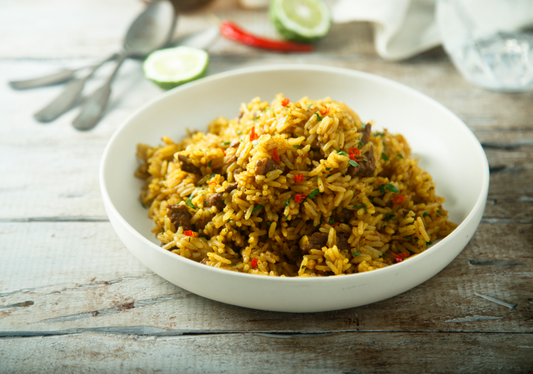
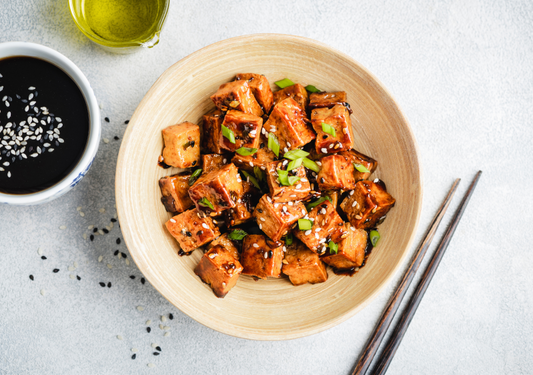
Freshify’s meal menu provides ready-to-eat meals in several cuisines and formats, including bowls, curries, noodles, wraps, rice dishes, and pasta. Current listings include options such as vegan beef biryani, tofu stir-fry noodles, vegan lasagna, tofu bowls, and jackfruit dishes.
Freshify’s Signature Food Menu is plant-based and available in three sizes:
- Sprout: 500 grams
- Harvest: 750 grams
- Monster: 1,000 grams
This gives you a more useful decision than simply choosing “small” or “large.” Sprout can fit a lighter lunch or smaller appetite. Harvest is a practical standard portion. Monster is designed for a larger appetite, a demanding training day, or a meal that needs to carry you through a long stretch of work.
The meals are fresh and never batched ahead. You also earn rewards points on every order, and there is no lock-in. Those details matter because repeatability is part of cost control. A meal system that you can use only occasionally may not solve the weekday problem.
Prepared meal delivery also reduces the number of decisions between intention and action. You do not have to decide what to cook at 5:30 p.m. You choose your portion, heat the meal, and eat.
That is the practical value of healthy meal delivery: not a promise of perfection, but fewer points where your plan can fail.
When does takeout become the expensive option?
Takeout is useful. It solves an immediate problem.
The issue is repetition. A single $20 meal is manageable. Five $20 meals each week is approximately $433 per month before considering extra snacks, drinks, delivery fees, or larger orders. At $25 to $30 per order, the monthly number moves quickly toward $540 to $650.
Delivery apps also make the final price less visible. Menu price, service fee, delivery fee, small-order fee, tax, and tip may appear separately. You can start with a $16 meal and finish with a bill closer to $25.
Takeout can also create nutritional inconsistency. Some meals may include enough protein, fibre, and vegetables. Others may be built around refined carbohydrates, high sodium, or oversized portions. You can make good choices at restaurants, but you have less control and more variables.
The red flag is not ordering takeout once. The red flag is ordering because you have no backup system.
If you are using takeout three or four times a week because groceries keep going unused, prepared meal delivery may cost less than your current pattern while also reducing decision fatigue.
What should you look for in prepared meal delivery?
Price is only one filter. Use five.
1. Portion flexibility
A fixed portion does not work for every person or every day. Look for sizes that match your appetite and activity level. Freshify’s Sprout, Harvest, and Monster sizes are designed for that reason.
2. Freshness and preparation model
Ask whether meals are fresh, frozen, or prepared in large batches ahead of time. Fresh prepared meals may better fit your preference for texture and flavour, while the preparation model affects shelf life and convenience.
3. Menu familiarity
You are more likely to repeat meals you actually want to eat. Cultural variety, familiar spices, sauces, and satisfying textures are not optional extras. Preference supports adherence.
4. Ordering flexibility
A no-lock-in service gives you more control. You can order when your schedule is busy instead of paying for a plan you cannot use.
5. Rewards and effective cost
Points can reduce future spending, but calculate them as a bonus rather than the main reason to order. Freshify includes rewards points on every order, which can make a regular routine more efficient over time.
How do you decide which option fits your week?
Use this decision rule:
Choose groceries and cooking if:
- You have predictable time to plan and cook.
- You enjoy preparing meals.
- You can use ingredients before they spoil.
- Your main priority is the lowest ingredient cost.
Choose prepared meal delivery if:
- Your workdays are long or unpredictable.
- You want ready to eat meals without relying on takeout.
- You care about consistent portions and plant-based options.
- You want a repeatable lunch or dinner system without a subscription lock-in.
Choose takeout selectively if:
- You are managing an occasional schedule disruption.
- You want a social meal or a specific restaurant experience.
- You can include it in your budget without using it as your default plan.
A mixed system is often the most practical. Cook breakfasts and some dinners. Use prepared meal delivery for the workdays most likely to go off schedule. Keep takeout for occasions rather than emergencies.
The goal is not to eliminate every convenience purchase. The goal is to make your default choice support your budget, nutrition, and schedule.

Build a meal system that removes the daily decision
The real cost of eating well in 2026 is not just the price of food. It is the cost of decisions, wasted ingredients, missed meals, rushed orders, and inconsistent routines.
Grocery cooking is usually the lowest-cost approach when you have the time and structure to use it well. Takeout offers immediate convenience but becomes expensive when repeated. Meal prep delivery and prepared meal delivery occupy the middle: more expensive than raw ingredients, but often less expensive and more predictable than frequent restaurant delivery.
Start with your actual week. Identify the two or three meals most likely to fail. Then choose the system that makes those meals easier.
Explore Freshify’s daily menus, browse bestsellers, and choose the Signature Food Menu size that fits your appetite. No lock-in. Fresh plant-based meals. Rewards points on every order.
That is the practical advantage: turning a good intention into an action you can repeat.